
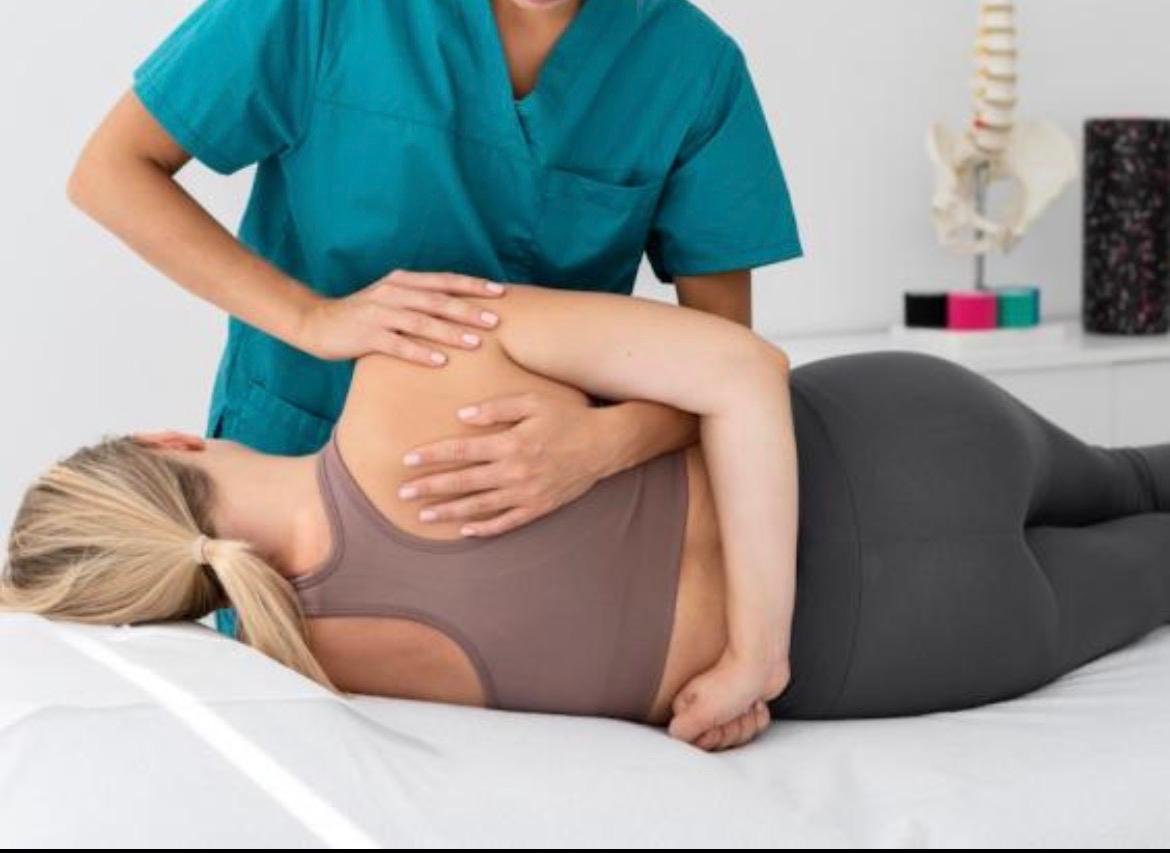
BUMI
Move better. Understand your body. Keep doing what you love.
Body Ultra Manual Integration Therapy
A personalized whole-body approach combining hands-on manual therapy, movement assessment, neuromuscular re-education, and individualized movement strategies.
What Is BUMI?
BUMI is a highly individualized, whole-body approach designed to look beyond the area of discomfort.
Pain, tightness, or limited movement in one area may be connected to compensation or movement patterns elsewhere in the body. BUMI looks at how your entire movement system works together, including posture, gait, coordination, fascia, soft tissue, mobility, and habitual movement patterns.
The goal is to better understand what may be contributing to discomfort, restriction, or changes in the way you move.
“We don’t just work where it hurts.”
Assess
We begin by looking at posture, mobility, movement patterns, coordination, gait, and the way different areas of your body work together.
Move
You will learn personalized exercises and movement strategies designed to reinforce better movement, improve awareness, and help maintain progress beyond your session.
Integrate
Individualized hands-on manual therapy is used based on what is discovered during your assessment and what your body needs.

More Than Hands-On Treatment
BUMI goes beyond what happens during the hands-on portion of your session.
An important part of the process is helping you better understand your own body, recognize movement patterns, and develop practical strategies you can use outside of the treatment room.
Rather than creating long-term dependence on treatment, the goal is to give you greater awareness and useful tools that support your movement between sessions.
Learn Your Body. Move With Freedom. Stay in the Life You Love.
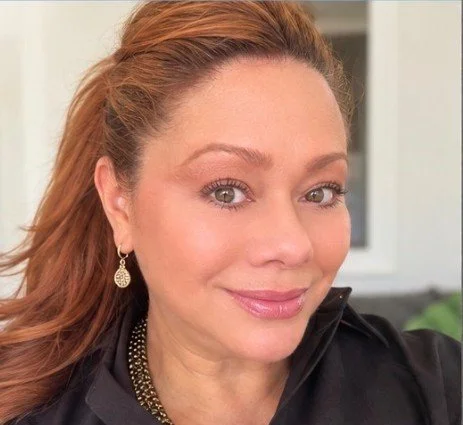
Meet the Founder
Michelle Naranjo
Michelle Naranjo’s understanding of movement began long before she became a therapist.
For more than 20 years, Michelle was a contemporary dancer, developing a deep appreciation for movement, coordination, balance, strength, flexibility, and the complexity of the human body. Her curiosity about how the body adapts, compensates, and develops pain or movement restrictions eventually led her to study a variety of movement and bodywork approaches, including Pilates, the Feldenkrais Method, muscular chain techniques, myofascial approaches, neuromuscular bodywork, and somatic movement education.
Over time, Michelle began to see a common thread: the body does not function as a collection of isolated parts. Muscles, fascia, posture, breathing, movement patterns, and the nervous system all influence one another.
That understanding became the foundation for BUMI.
In 2006, Michelle created Body Ultra Manual Integration, bringing together decades of movement experience, hands on work, body awareness, and individualized movement strategies into one whole body approach.
Her goal has always been bigger than temporary relief. She wants clients to understand their bodies, recognize their movement patterns, and develop practical tools that support more comfortable, confident movement in everyday life.
When the Work Became Personal
Years after creating BUMI, Michelle’s understanding of movement took on an entirely new meaning when she developed Stiff Person Syndrome, a rare neurological disorder that can cause muscle rigidity, painful spasms, and significant movement limitations.
At times, her symptoms became severe enough that she required a wheelchair.
Living through those challenges gave Michelle a perspective that professional training alone could never provide. She experienced firsthand the uncertainty, frustration, vulnerability, and loss of independence that can come with chronic pain and limited mobility.
Alongside her medical care, Michelle began applying the principles of BUMI to her own movement and daily life. Experiencing her methodology from both sides, as its creator and as a patient, deepened her understanding of the relationship between movement, body awareness, nervous system responses, and functional independence.
That experience continues to shape the way she works today.